top of page

Smart Homes + Building Automation: What CDO Buyers Want Right Now


In Cagayan de Oro, the new “premium finish” is no longer just tiles, paint, and cabinets. It’s a smart, secure, energy-efficient home—one that works even when you’re away.

Today’s buyers (especially OFWs, professionals, and young families) want homes with:

✅ stronger security

✅ remote control access

✅ lower electricity bills

✅ “future-ready” electrical provisions

✅ easier upgrades without breaking walls

That’s why smart home features and building automation are becoming a decision-maker for both homebuyers and investors.


What Smart Home Buyers Actually Look For

Smart home isn’t about showing off gadgets. It’s about convenience and protection.

1) Security + monitoring

  • CCTV with phone access

  • smart doorbell and motion alerts

  • smart locks (PIN, fingerprint, app access)

  • perimeter lighting with sensors

2) Remote control lifestyle

  • lights on/off by schedule

  • aircon control while traveling

  • gate/garage automation readiness

  • appliance controls (water heater, pumps)

3) Energy efficiency

  • smart switches and dimmers

  • timer-based outdoor lighting

  • smart thermostat strategies (even simple ones)

  • solar-ready and load planning

When buyers feel safe and in control, they’re willing to pay more—and they decide faster.


The Real Secret: “Future-Ready” Provisions (Do This Before Finishing)

Most smart home failures happen because people install tech after the house is finished. That leads to messy wires, broken walls, and extra cost.

If you want a clean smart home setup, include these provisions early:

✅ Extra conduits (spare lines)

Add spare conduits from ceiling to key areas: living room, master bedroom, gate, and ceiling corners (for CCTV).

✅ Dedicated circuits for smart loads

Separate circuits for:

  • aircons

  • water pump

  • water heater

  • kitchen loads

    This prevents overload and makes upgrades easier.

✅ Structured cabling

Run CAT6 data cables to key points (TV wall, work-from-home area, ceiling WiFi points).

WiFi alone is not enough for stable smart devices.

✅ Distribution board allowance

Use a panel board with spare breaker slots for:

  • future CCTV

  • additional outlets

  • solar lines

  • EV charger (future-proof option)

✅ Outdoor weatherproof points

Provide proper outdoor outlets and lighting points—planned, not extension-cord style.


Smart Home = Higher Property Value + Faster Marketability

If you’re building for resale or rent, smart-ready homes win because they are:

  • easier to market (“security-ready, automation-ready”)

  • attractive to tenants who travel or work long hours

  • positioned as modern and efficient

  • less “upgrade headache” for the next owner

In short: smart-ready homes feel premium even without premium finishes.


Quick FAQ

Q: Do smart homes cost more to build?

The devices can be upgraded later, but the provisions must be planned early. Early planning is cheaper than rewiring later.

Q: What’s the most important smart home feature?

Security + stable connectivity: CCTV provisions + smart lock readiness + WiFi mesh/data points.

Q: When should smart home planning happen?

During electrical planning (before walls and ceilings are closed).


Smart homes and building automation in Cagayan de Oro are now a buyer expectation—not a luxury. Build smart early: plan the wiring, conduits, circuits, and data points so your home stays upgrade-ready for the next 10 years.


The month of February may be the shortest month on the calendar, but it’s packed with meaning, traditions, and fresh-start energy. With only 28 days (or 29 in a leap year), February has a unique advantage: it feels like a quick sprint—perfect for people who want results fast. It’s the month that reminds us: you don’t need a long timeline to create real progress.


Why February Is Different

February is named after the Roman festival “Februa,” a time of purification and cleansing. That history fits perfectly with modern life today. After the noisy rush of December and the adjustment phase of January, February becomes the month where many people finally “lock in.” It’s when goals become habits, plans become action, and routines start sticking.

Because February is shorter, it naturally creates urgency. You’re more likely to finish challenges, complete tasks, and stay consistent—simply because the finish line looks closer.


What February Is Known For

Most people call February the Love Month, mainly because of Valentine’s Day (February 14). But love in February isn’t just romantic—it can also mean love for family, friends, faith, purpose, and personal growth. That’s why self-love messages and “soft reset” content perform so well during this month.

February is also rich in awareness events and cultural celebrations. In different countries, it’s linked to themes like history, heart health, winter festivals, and community traditions. In the Philippines, many people enjoy seasonal events and the uplifting vibe of celebrations like flower festivals in Baguio and meaningful historical commemorations.


Fun Facts About the Month of February

Here are a few quick facts that make February even more interesting:

  • February is the only month that can have no full moon (rare but possible).

  • Its birthstone is Amethyst, symbolizing peace and clarity.

  • February’s flower is Violet, often linked to loyalty and faithfulness.

  • Leap year babies (born on Feb 29) are sometimes called “leaplings.”


Why February Is the Perfect “Reset Month”

If January felt messy or slow, February gives you a second chance—without the pressure of a “new year, new me” vibe. This month is ideal for:

  • building a simple habit (28-day consistency is realistic)

  • decluttering your home or schedule

  • setting mini-goals you can actually finish

  • launching promos, content series, or business campaigns

For business owners and marketers, February is gold because it’s naturally emotional and time-sensitive. Campaigns perform best when they focus on limited days, meaningful connections, and quick wins.


The month of February proves something important: short doesn’t mean small. It’s a month built for momentum, love-driven actions, and finishing strong.

Month of February: Meaning, Fun Facts, Celebrations, and Why It Matters


The CDO Construction Market Is Changing—Speed and Clean Execution Win Now


In Cagayan de Oro, the old construction mindset is slowly dying:

“Build slow, fix later.”

Today, homeowners and investors want three things:

✅ faster turnover

✅ cleaner site execution

✅ predictable quality with less rework


That’s why fast-build systems—like modular, prefabricated, and panel construction—are gaining serious traction in CDO. These methods don’t just “build faster.” They build smarter.

When demand is high and costs are rising, speed becomes a competitive advantage.


What Are Fast-Build Systems?

Fast-build systems are construction methods where large portions of the build are pre-made, pre-cut, or pre-assembled—either in a controlled environment or through standardized components—then installed efficiently on site.


Common examples include:

1) Modular Construction

Units or sections are produced off-site, then assembled on location.

2) Prefabricated (Prefab) Components

Pre-made structural elements like wall panels, slab systems, stairs, or framing modules.

3) Panel Construction Systems

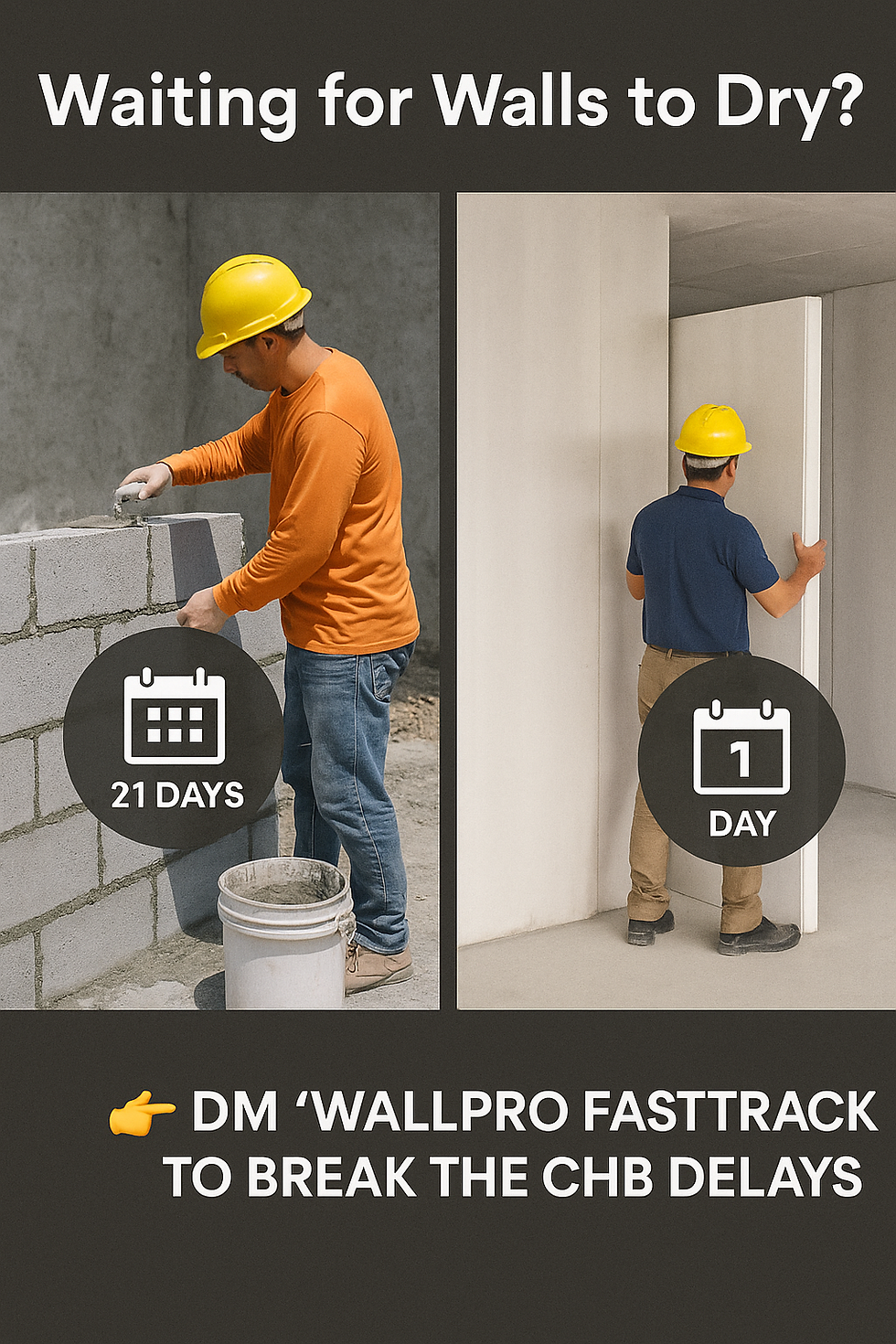
Factory-produced or standardized wall panels installed quickly for partitions, enclosures, or certain structural applications—reducing traditional blockwork time and mess.


Why CDO Is Shifting Toward Modular / Prefab / Panel Methods

This shift is happening because the market is demanding predictability.

1) Faster build timeline

Instead of waiting weeks for blockwork, curing, and repeated finishing corrections, panels and prefab methods can reduce delays by compressing work stages.

2) Cleaner site = less rework

Traditional builds create heavy debris, inconsistent workmanship, and time lost on corrections. Fast-build methods focus on cleaner installation and fewer “redo tasks.”

3) Cost control becomes easier

The biggest budget killers are:

  • rework

  • wasted materials

  • change orders due to delays

  • Fast-build systems help reduce those risks.

4) More consistent quality

When materials are standardized and processes are repeatable, quality becomes easier to manage—especially for projects that need speed and uniform results.


Where Fast-Build Systems Work Best

Fast-build solutions are not “one size fits all,” but they shine in these applications:

✅ Partition walls (interior layout fast + clean)

✅ Rental units / duplex builds (repeatable designs = fast delivery)

✅ Townhouse / multi-unit housing (efficiency is critical)

✅ Commercial fit-outs (tight deadlines and fast turnover)

✅ Projects with strict move-in dates (school year, rental turnover, business opening)

If you’re building for income, speed matters even more—because every month delayed is lost income.


The Real Advantage: Time Savings = Money Savings

Most people think construction cost is just materials + labor.

But the hidden cost is time:

  • longer rentals for temporary housing

  • longer loan interest exposure

  • delayed business opening

  • delayed move-in and turnover

  • more chance of price increases mid-project

Fast-build systems help you finish earlier and protect your budget from “timeline inflation.”


Quick FAQ

Q: Is prefab or panel construction cheaper?

Not always cheaper per material cost—but often cheaper overall because it reduces labor time, rework, and delays.

Q: Is modular/prefab safe and durable?

Yes—when engineered correctly and installed with proper standards and quality control.

Q: What’s the biggest benefit of fast-build systems?

Predictability: faster timeline, cleaner work, and more consistent results.


Fast-build systems in Cagayan de Oro are becoming the new standard because buyers want one thing: a finished home with less stress. Modular, prefab, and panel construction are winning because they deliver speed, cleaner sites, and consistent quality—especially in high-demand growth zones.

If you want a faster build with controlled costs, choose a systemized approach—not a guesswork approach.

Fast-Build Systems in CDO: Why Modular, Prefab, and Panel Construction Are Becoming the New Standard


Wallpro System & Construction Inc | All Rights Reserved.
Cagayan de Oro
bottom of page